A full-day excursion through the Southern Valley (Valle Sur) of Cusco offers a fascinating journey through thousands of years of human history—spanning pre-Inca Wari urban planning, brilliant Inca hydraulic engineering, massive monumental stone gates, and breathtaking colonial art.
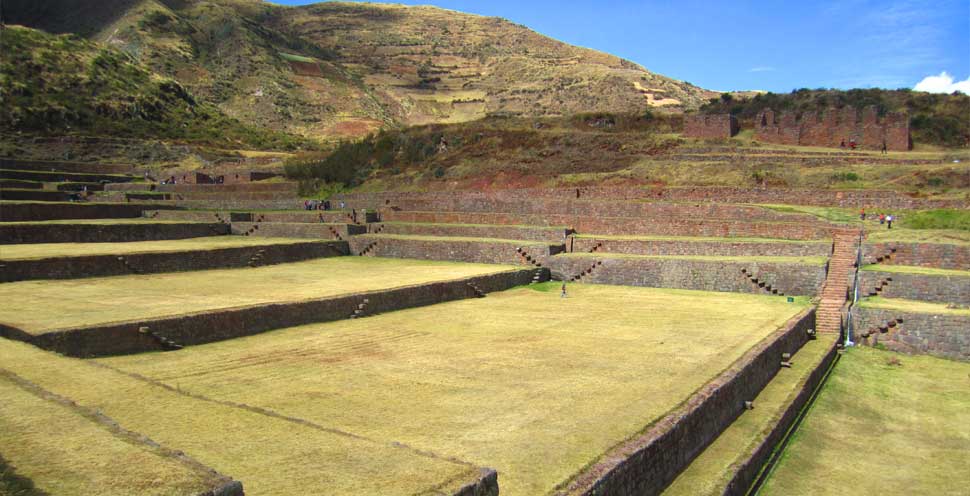
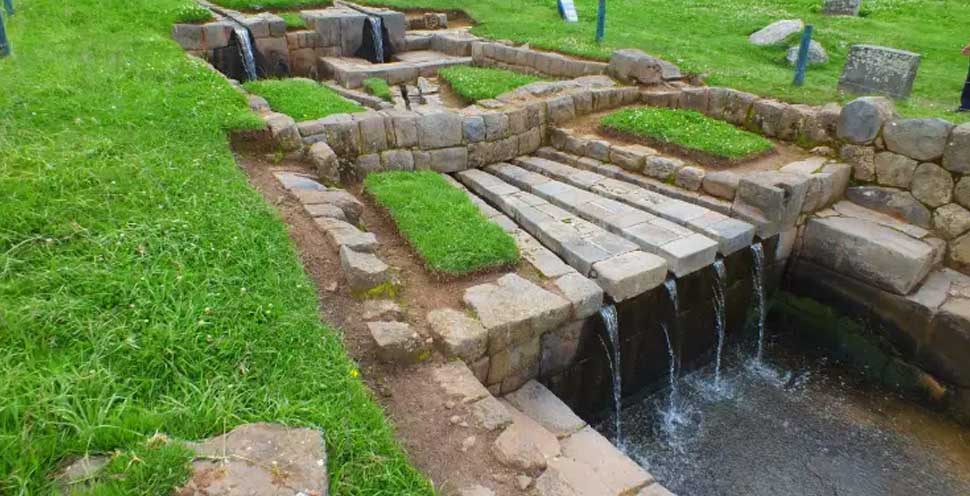
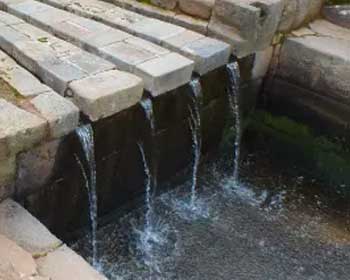
Parque Arqueológico Tipón is celebrated as one of the greatest masterpieces of Inca agricultural and hydraulic engineering, featuring immaculate stone terraces and still-flowing aqueducts.
Advanced Hydraulics: Features intricate open and subterranean stone channels that feed water into a series of tiered fountains with exact flow rates, demonstrating advanced fluid dynamics.
Agricultural Terraces: Massive, perfectly preserved green terraces step up the steep mountain slope, designed to cultivate specialized crops and prevent soil erosion.
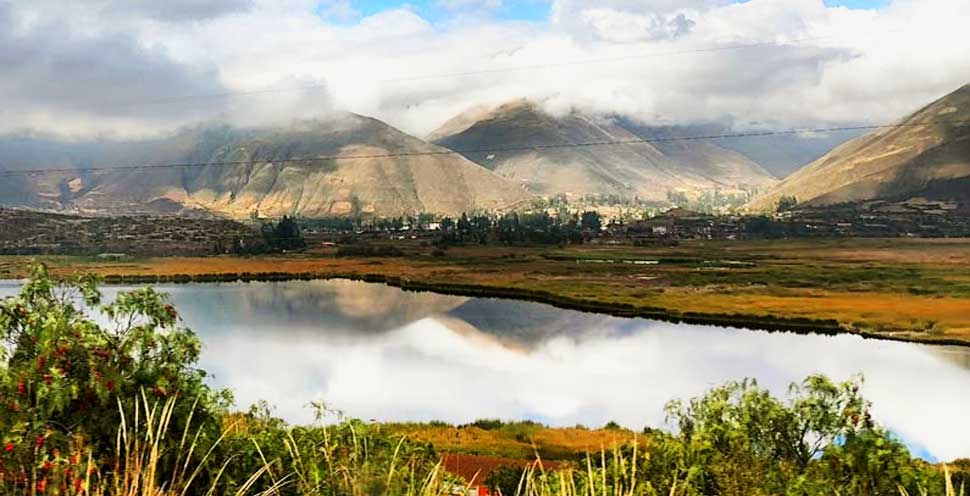
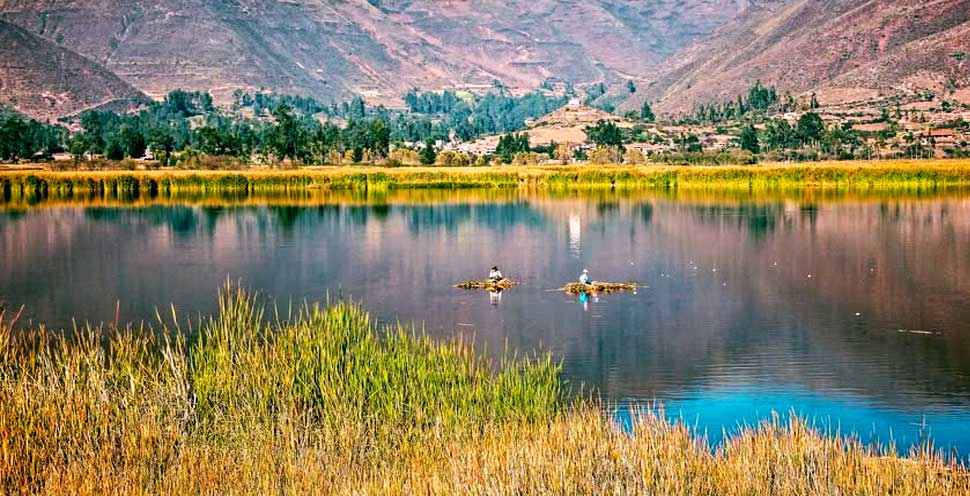
Tranquil Setting: Surrounded by eucalyptus groves and dramatic mountain backdrops, offering a peaceful, uncrowded atmosphere compared to sites closer to the city.
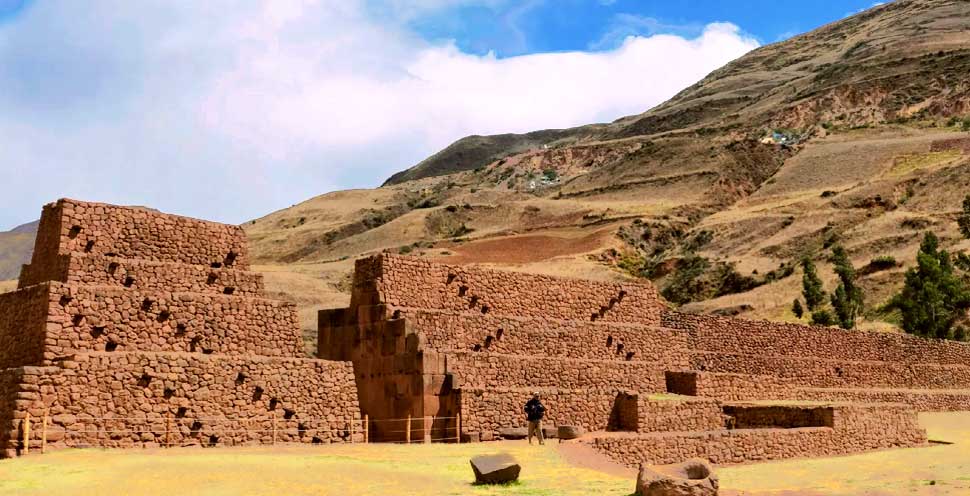
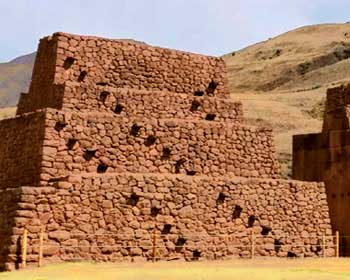
Rumicolca is a striking stone monumental gateway and ancient aqueduct straddling a narrow gorge, serving as a strategic toll and control checkpoint for travelers entering the Cusco valley.
Multi-Era Architecture: Combines massive, finely-fitted stone foundations built by the pre-Inca Wari civilization with later Inca restoration work using smaller, precise blocks.
Aqueduct Function: Originally designed to channel water across the ravine to supply nearby settlements and agricultural fields.
Photogenic Archway: The towering stone walls frame dramatic views of the surrounding valley and highway corridor below.
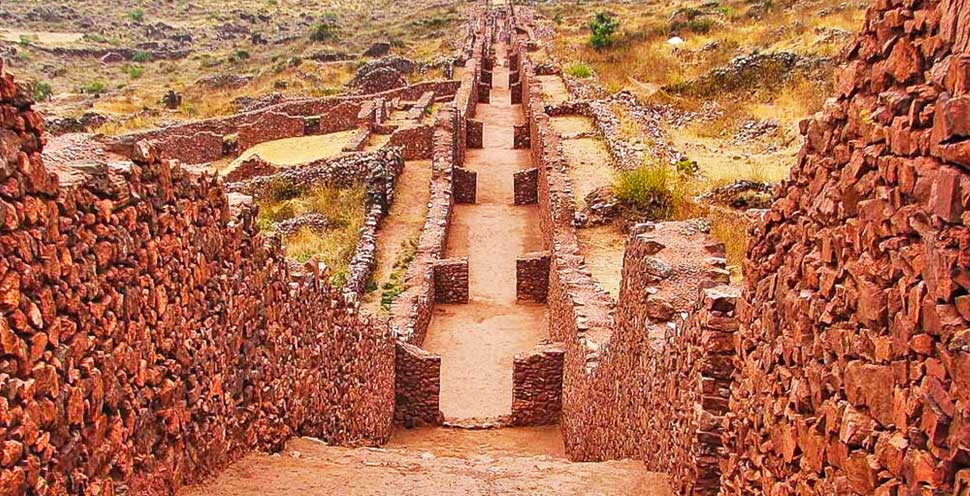
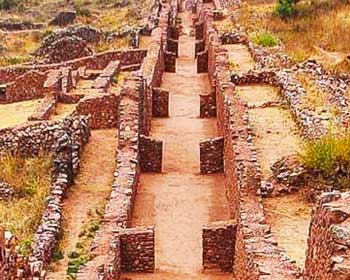
is a sprawling, exceptionally well-preserved pre-Inca urban grid city built by the Wari culture centuries before the Inca Empire rose to power.
Grid Urban Planning: Unlike organic Inca settlements, Pikillacta features a strict geometric layout divided into symmetrical blocks, housing compounds, and multi-story buildings.
Defensive Design: Enclosed by high perimeter stone walls with limited access points, reflecting a centralized administrative and military stronghold.
Historical Significance: Offers rare insight into advanced pre-Inca regional integration and urban architecture in the southern Andes.
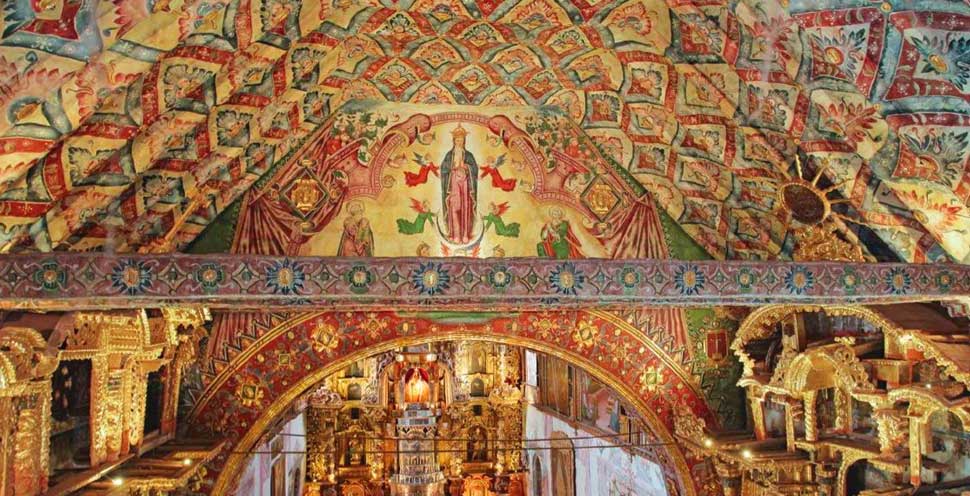
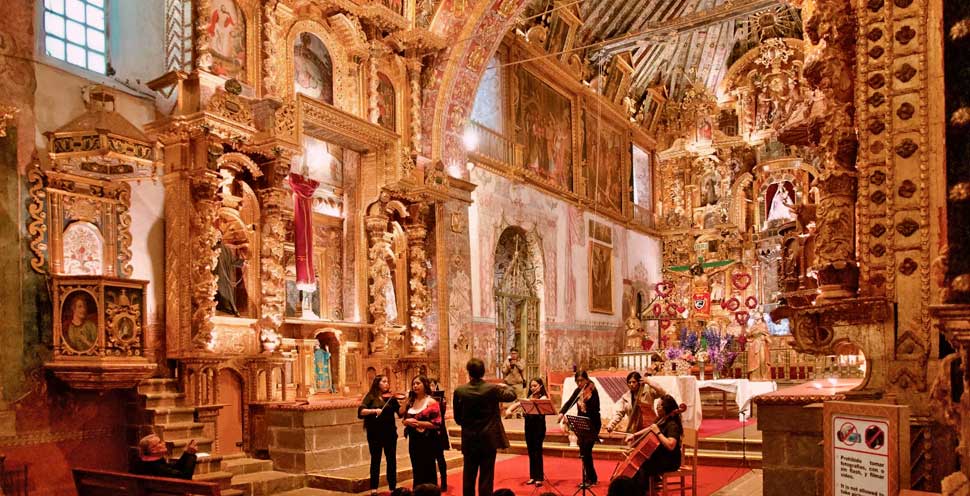
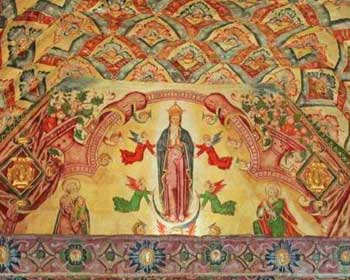
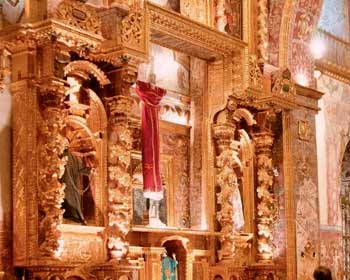
is a 16th-century colonial church famously known as the "Sistine Chapel of the Americas" due to the breathtaking abundance of golden altars, intricate frescoes, and painted ceilings.
Mural Masterpieces: Walls and ceilings are entirely covered in vibrant, meticulously preserved religious murals and geometric patterns crafted during the Cusco School of art movement.
Gilded Altars: Features stunning, gold-leaf covered wooden altars carved in elaborate Baroque and Andean fusion styles.
Cultural Fusion: The architecture and artwork subtly incorporate indigenous Andean symbolism alongside traditional European Catholic iconography.
Our service includes transportation round trip
Not Includes:| N° people | 1 Person | 2 People | 3 People | more people |
|---|---|---|---|---|
| Group | 35 USD | 30 USD | 25 USD | 23 USD |
| Private | 150 USD | 125 USD | 105 USD | 95 USD |
private service: includes – entrance tickets to archaeological places and lunch(buffete).
Complete the form to book the tour
When to book a trek: trek permits are not required for this trek. Departure dates depend on availability of the group.
Group size: minimum 03 people, typical group size 7 – 8 people, maximum 12 people.
Hiking time will depend on the group progress and the guide can change the itinerary depending on the group progress.
Our program is subject to change because of the weather conditions or any other unexpected circumstances.
 Ayahuasca Retreats
ask a requirement or a question and we will reply you as soon as possible